
Serving Northern St. Louis County, Minnesota
A positive, appreciative environment works well
Posted 4/16/26
When I wrote my last column a month ago, I was scrambling to get things done before heading to the University of Minnesota Hospital/Fairview for an operation only performed in two hospitals in …
This item is available in full to subscribers.
Attention subscribers
To continue reading, you will need to either log in to your subscriber account, below, or purchase a new subscription.
Please log in to continue |
A positive, appreciative environment works well
Posted
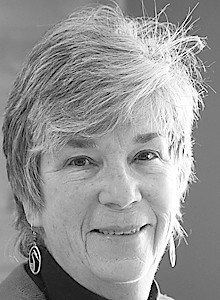
When I wrote my last column a month ago, I was scrambling to get things done before heading to the University of Minnesota Hospital/Fairview for an operation only performed in two hospitals in Minnesota, the U and Mayo. I don’t usually write about my personal life in this column, but I think my experience could raise the level of awareness for readers about this condition, which is often overlooked. I also want to take the opportunity to rave about the excellent level of care I received there.
I was diagnosed with an adenoma on my pituitary gland. Adenomas are non-cancerous tumors, usually slow-growing, that start in the tissue that covers your organs and glands, so they can be found on adrenal, pituitary, parathyroid, salivary, and oil-producing glands, as well as on the colon. They can affect the hormones produced by the glands, but if they don’t, they are referred to as “non-functioning,” may have no symptoms, and may not need any treatment except to watch for any changes.
A very small percentage of adenomas, especially the larger ones, can become cancerous. Polyps in the colon are at higher risk of being cancerous. Smaller adenomas can be treated with medication, while larger ones over five millimeters are usually removed surgically.
One surprising fact was that one out of every four or five people have pituitary adenomas and are often unaware that they do. I probably still wouldn’t know if I hadn’t asked for a baseline hearing test last July, since I’d had some issues with my hearing after an airplane flight. The test showed I had a partial hearing loss in my left ear, and since asymmetrical hearing losses are more unusual, the Essentia ear, nose, and throat (ENT) physician in Virginia, Heidi L’Esperance, asked that I get an MRI. She wanted to rule out any possible obstruction, like a tumor, causing the loss before making any further recommendations for treatment, such as hearing aids. That MRI showed there was nothing causing the hearing loss, but revealed a large adenoma on the pituitary gland. I learned that most pituitary adenomas are found incidentally, like this one.
When symptoms are present, they vary depending on the location of the adenoma, but can include fatigue, headache, muscle weakness, nausea or vomiting, iron-deficiency anemia, rectal bleeding, and abdominal pain. I had been experiencing a lot of fatigue, muscle weakness, and issues with my vision, which I had attributed to other possible causes. I had worked with two optometrists who never suggested the possibility of a tumor causing the constant struggles I had with fatigue and constant eyestrain.
The next steps of visiting an ophthalmologist and two more MRIs revealed the adenoma appeared to be putting pressure on the optical nerve at the chiasm, where nerve fibers cross and allow us to have binocular vision. Surgery was recommended.
Dr. L’Esperance has worked closely with the neurosurgery team at the U of M Hospital, so I made an appointment to meet with them, and their excellent patient care began immediately with a call from Kelly, the neuro-surgery nurse who facilitates scheduling and communication with patients. She was a gem! She arranged my pre-op appointments one right after the other with the four specialists on the team: the neurosurgeon, neuro-ophthalmologist, otolaryngologist (ENT), and endocrinologist. That made for an intense, non-stop six hours of meeting with them, asking a lot of questions, and soaking up a lot of information, but I was grateful to not have to hang out all day or return on a different day.
I knew that going to Mayo was also an option, but I wanted to meet the U of M Hospital team first to see if I felt comfortable with them. While neither location is convenient, Minneapolis is closer, and my previous experience with Mayo for breast surgery was less than stellar, requiring two additional operations, so I was not under the illusion that everything at Mayo was necessarily outstanding.
I was impressed with the team, each of them carrying an air of quiet confidence, providing me with detailed, easy to understand information and ready to answer any-and-all questions I had, exhibiting no impatience or hurry. During my stay at the hospital, I came to call Dr. Venteicher the Thich Nhat Hanh of the neurosurgery floor. He assured me that they were a very experienced team, performing this same operation a couple times every week. He said it was quite likely I would lose my vision if I didn’t have the surgery. I felt I was in good hands and scheduled the surgery for March.
A friend drove me to Minneapolis the day before surgery so I could begin the process at 5 a.m. Scheduled to run six hours, it lasted somewhat longer, because I had a small brain bleed that was repaired successfully. I woke up feeling a big groggy but pain free and ready to eat something after fasting since the night before. Hannah, the angel of mercy night nurse, found a sandwich and yogurt, which tasted like a gourmet meal. Hannah was the first of a parade of nurses, technicians, maintenance staff, residents, interns, medical students, and doctors who flowed through my room in the next few days, an impressive collection of people who were good at their jobs and clearly happy to be working there. They were almost without exception pleasant and present, paying attention and interested in how I was doing, and happy to answer questions. Whenever I could, I showed interest in who they were, asking about their lives, whether they liked working there, if they liked the shift they were on, and if so, why. I enjoyed hearing their stories and shared some of my own at times; they appreciated my interest. I reflected back to them what a positive experience it was to be in the atmosphere of caring, respect, support, and appreciation that they had, not only for patients, but for each other. The bright and cheerful hallways felt like an elementary school with bulletin boards full of color, photos of all the staff, and commendations of appreciation sent by patients through the website. There were many signs of clear intention to create and maintain a positive work environment. My last nurse, Phil, gave a lot of credit to Dr. Venteicher for that, who had brought his wife with him on his first day of work in 2019, so she and the staff could meet each other. He treated them like family from the first day. Phil said that there was very little discontent that he was aware of. Although the hospital is the only non-union hospital in Minneapolis, their pay is comparable to or better than unionized hospitals, their patient load is reasonable, and they have choices about the shifts they work.
I have long wondered why workplaces of all sizes don’t have the basic understanding about the importance of employee satisfaction. If employees are given a supportive work environment, have an opportunity for their voices to be heard, have decent pay and working conditions, with a vested interest in establishing a good work environment, they are likely to stick around and perform well on their jobs, which are all good for the bottom line.


