
No EIS needed for Silver Rapids plan
TWO HARBORS— The Lake County Planning Commission, as expected, won’t require a full environmental impact statement, or EIS, for the proposed redevelopment of the Silver Rapids Lodge, near Ely. …
This item is available in full to subscribers.
Attention subscribers
To continue reading, you will need to either log in to your subscriber account, below, or purchase a new subscription.
Please log in to continue |
No EIS needed for Silver Rapids plan
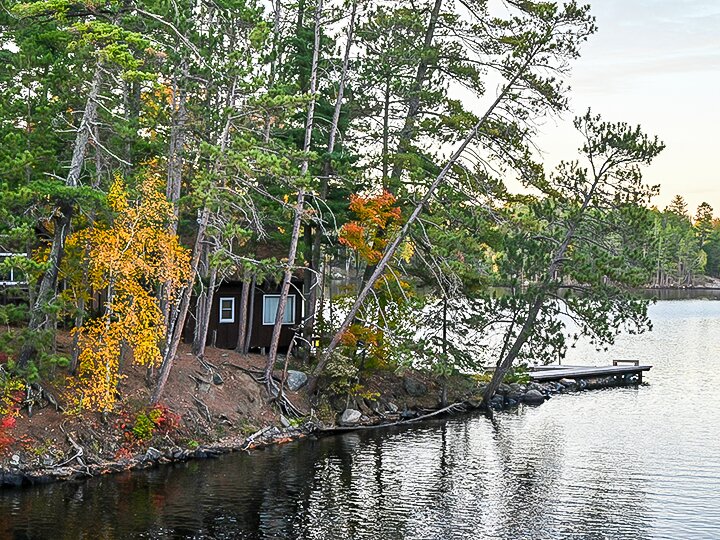
TWO HARBORS— The Lake County Planning Commission, as expected, won’t require a full environmental impact statement, or EIS, for the proposed redevelopment of the Silver Rapids Lodge, near Ely. The commission voted unanimously on Monday to accept as complete the environmental assessment worksheet, or EAW, which was produced by the owners of the Silver Rapids Lodge, near Ely.
An EAW is an initial environmental screening document typically used to determine if a more in-depth EIS is necessary for a project.
The commission made its decision following a 6:15 p.m. public hearing during which they allowed no testimony from the public, other than the developers. Commission members and county staff discussed the project, with details included in the report from county planning staff. The report noted that the county had received a total of 51 written comments on the EAW, including detailed comments from several agencies, including the DNR and the 1854 Treaty Authority.
According to Lake County planning staff, the proposed project is a redevelopment and expansion of the Silver Rapids Lodge, which has been in existence at the rapids separating Farm and White Iron lakes for nearly 110 years. It is being proposed by Jamie Tatge, of Leisure Hotels and Resorts.
According to the staff report, the project includes:
• Demolition of the existing main lodge, six existing cabins, and several ancillary structures, including a maintenance/sauna building, baath/shower house, and a storage facility.
• Construction of a new main lodge with a bar and restaurant, gift shop, pool, hot tub, and sauna.
• Construction of 44 new ¼-fractional-share cabins, developed in three phases, for a total of 57 lodging units sitewide (33 in Tier 1, 24 in Tier 2).
• Remodeling of the remaining six cabins, motel, garage, and fish-cleaning house.
• Removal of mobile/manufactured homes from the Farm Lake shoreland and removal of 18 RV sites from the White Iron Lake shoreland.
• Restoration of the White Iron Lake shoreland frontage area with native vegetation where the RV sites will be removed as well as the construction of a restroom and shade area.
• Installation of three mid-sized sewage treatment systems (5,000 to10,000 gpd) and an existing individual sewage treatment system, with total flow of 2,500 gpd or less.
• Installation of a new above-ground fuel station located near the boat launch on the south side of Kawishiwi Trail that will replace existing underground storage tanks.
• Construction of two additional docks, bringing the total number of mooring spaces to 33.
The new proposal has reignited a controversy that had slowly simmered since developers withdrew an earlier plan for redevelopment at the site after the Department of Natural Resources and a local citizens group filed suit to block it in 2024. While the proposed project appeared to comply with state rules on development density on lakeshore, the DNR argued that the county had adopted a stricter ordinance, years earlier, that was not as permissive as state rules and that the county rules had to be enforced.
In the wake of that experience, however, Lake County adopted a revision to the ordinance which brings it in line with state regulations regarding lakeshore development density. At the same time, the revised development plan does include a slight reduction in the number of new lake homes proposed for the site.
The commission spent nearly two hours discussing the project and comments before calling the question. Many of the critical public comments cited concerns about unaddressed soil contamination, where chemically treated water from a planned hot tub will be discharged, and whether the groundwater supply in the area is adequate. That’s an issue that has posed a challenge for other developments in the county. The developers noted that most of those questions will be addressed in more depth during project permitting with various state agencies.
The commission’s final vote was not a surprise, given that commission members had declined numerous requests from residents to require an EAW when the project first came before them in 2024. The Silver Rapids developers opted to complete the EAW on their own this time around.
With the EAW now behind them, the planning commission will now take up the conditional use permit submitted by the developers. That will likely come before the commission for consideration at their Sept. 21 regular meeting.


